
AETHUS Hydroponic Bed: Locations, Grow Bed Types, and Farming
An AETHUS hydroponic bed functions under the build menu as a plant grow bed, available in small and large variants to cultivate crops like swamp wheat and cleansed mycelia for essential food supplies and expedition injectors.
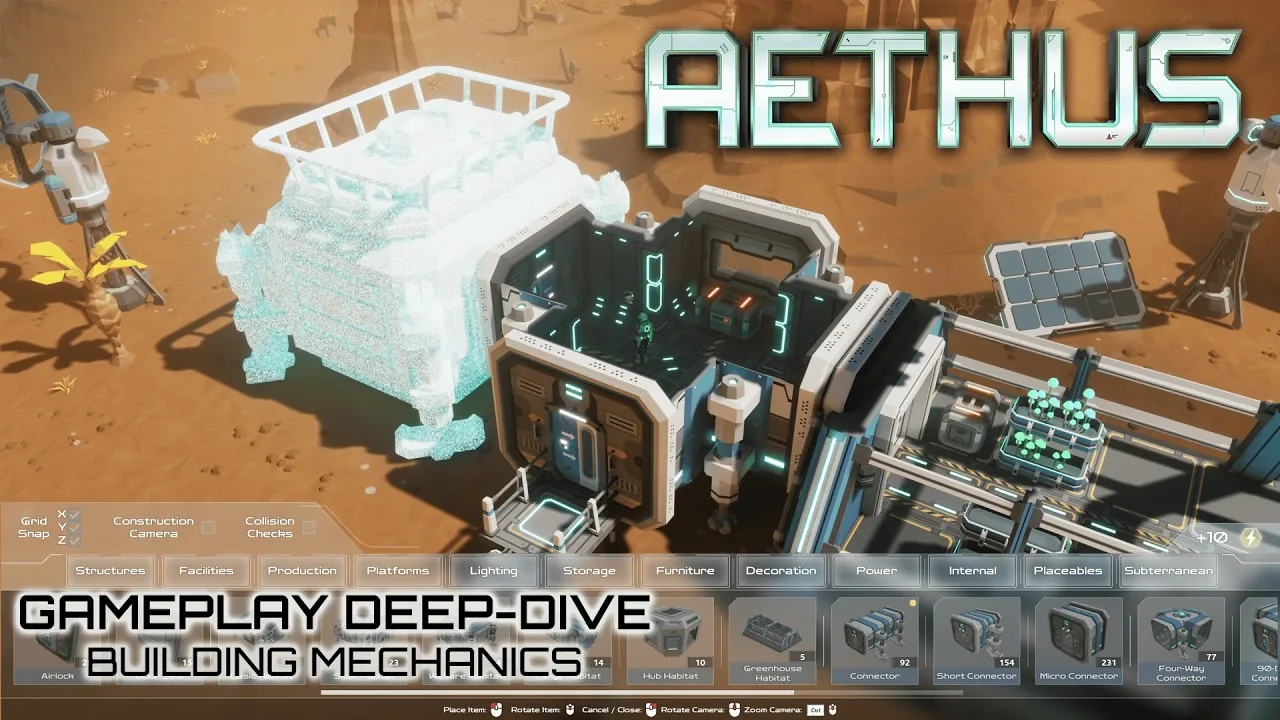
An AETHUS hydroponic bed functions under the build menu as a plant grow bed, available in small and large variants to cultivate crops like swamp wheat and cleansed mycelia for essential food supplies and expedition injectors.
Players searching the trade market for the term hydroponic often find zero results because the game classifies these agricultural installations as plant grow beds. These farming stations sit inside the production tab of your construction interface and must be installed indoors within an outpost module to cultivate raw botanicals, cooking ingredients, and medicinal spores.
How to Unlock and Build Plant Grow Beds
Farming equipment becomes available through trade terminal progression and underground exploration. The initial Small Plant Grow Bed unlocks through the Tier II market node. Later in your progression, exploring research facilities yields blueprints for the Large Plant Grow Bed, which stacks planters vertically in a bunk arrangement to handle four active crop slots simultaneously.
Constructing agricultural installations requires active power and components refined at your assembly tables. Building recipes draw resources directly from storage containers inside your base without requiring you to carry raw stock in your personal suit inventory.
- Access the build menu by pressing the construction key and navigate to the production category.
- Select the Small Plant Grow Bed or Large Plant Grow Bed based on your floor space and available electrical capacity.
- Position the planter on the floor of an enclosed habitat module, verifying that the placement bounding box displays blue rather than red collision warnings.
- Supply your outpost with sufficient electricity using solar panels or turbines, as unpowered grow beds halt plant development immediately.
- Interact with the planter panel to load seeds or cultured spores into the individual growth slots.
Setting up regular crop irrigation works hand in hand with surface machinery. Placing a automated water pump at an exterior water source allows logistics drones to deposit clean liquid straight into base containers, ensuring you have the hydration supplies required for cooking recipes.
| Planter Option | Operational Role | Resource and Space Cost |
|---|---|---|
| Small Plant Grow Bed | Starter cultivation holding single or dual crop slots | Low electrical consumption; fits tight corridor spaces |
| Large Plant Grow Bed | High-density farming supporting four crop slots in a bunk frame | Higher grid wattage; requires advanced electronics and floor clearance |
| Greenhouse Habitat Module | Structural room boosting harvest numbers across all internal planters | Modular habitat build cost; requires open snap points on your base layout |
Integrating Beds into the Greenhouse Habitat
While grow beds operate inside standard outpost rooms, placing them inside a dedicated Greenhouse Habitat significantly improves your agricultural output. This specialized structure features built-in glass paneling designed specifically for botanical operations. Structuring your overall base layout to include a dedicated agricultural wing keeps power lines organized and keeps your living modules uncluttered.
The primary benefit of the greenhouse module comes from its passive production modifier. Every planter installed within this room receives increased harvest yields when crops reach maturity:
- Swamp wheat yields jump from 2–5 units up to 5–7 units per harvest cycle.
- Lifeshrooms increase baseline yields from 3–4 up to 3–5 specimens.
- Mouldshrooms normalize output to a consistent 4 items per plant.
- Glowtus yields expand from 1–2 fruit into 1–3 fruit, 2–3 biomass, and bonus seeds.
- Korvo leaves produce 3–6 units alongside guaranteed replacement seeds.
- Queen Mycelia delivers 9–10 mycelial biomass and 6–8 Hive Mycelia units.
- Radiotrophic mushrooms increase production to 4 units per growth cycle.
Crop Types and Practical Applications
Outpost farming supports two primary survival functions: cooking rations to restore stamina and manufacturing chemical compounds required to survive hazardous underground chambers.
Swamp wheat serves as the foundation for outpost cooking. Processing harvested wheat at a cooking station converts raw grains into flour, allowing Maeve to bake bread and prepare hearty meals that represent some of the best food items for extended subterranean expeditions.
Underground exploration demands tailored botanical processing. Exploring the spore-choked corridors of Facility Theta requires manufacturing mycelial antigen injectors. To produce this medical barrier, you must process raw spores inside a biology lab to create cleansed mycelia, plant those specimens inside your grow beds until they mature into inert mycelia, and assemble the final compound into empty injectors before entering hazardous zones. Similarly, radiotrophic mushrooms cultivated in large grow beds provide the biological base for anti-radiation treatments needed near deep magma pits and irradiated facility ruins.
Next step
Jaspite Drill Upgrades
Check the exact recipes for the Jaspite Focusing Lens and locate Jaspite Ore nodes across the Lost World near Facility Theta.
Related Guides
Power Relay
Construct underground power relays in AETHUS to route electricity across the Magma Rift and reactivate locked industrial facilities.
Storage Silo
Review AETHUS storage silo stats, indoor cargo module capacity bonuses, outdoor placement differences, and receiver filtering for automated ore delivery systems.