
AETHUS How Long to Beat: Playtime and Completion Times
Beating AETHUS takes roughly 28 to 31 hours for the main story, while completing side objectives and outpost construction pushes playtime to between 39 and 44 hours across typical PC playthroughs.
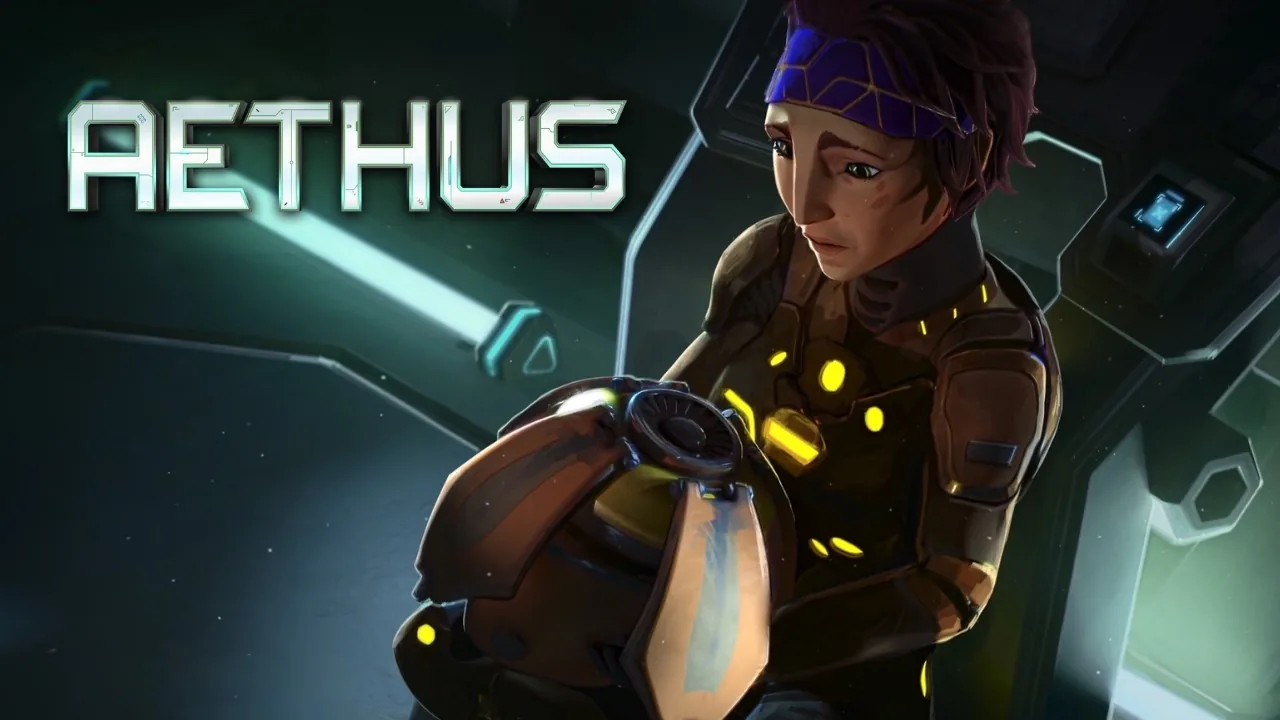
Beating AETHUS takes roughly 28 to 31 hours for the main story, while completing side objectives and outpost construction pushes playtime to between 39 and 44 hours across typical PC playthroughs.
Developer Pawsmonaut Games designed the title as a standalone 1.0 release without Early Access, delivering a full campaign rather than an open-ended sandbox. While players can stay on their claim after reaching the ending, the core narrative follows a definite path across three underground biomes that dictates how much time you will spend mining, refining ores, and uncovering expedition records.
Playstyle Completion Times and Averages
Tracked playthroughs on HowLongToBeat and recorded creator streams show consistent completion brackets depending on how deeply you engage with side systems like hydroponic farming, gem prospecting, and automated mining outposts.
| Playstyle | Average Recorded Time | Progression Focus |
|---|---|---|
| Main Story | 28 to 31 Hours | Completing primary corporate objectives, following signal beacons, and clearing mandatory path blocks. |
| Main + Side Objectives | 29 to 33 Hours | Finding hidden journal datapads, scanning extra mineral nodes, and establishing remote power lines. |
| Completionist Run | 39 to 45 Hours | Unlocking every surface module, fully upgrading your companion drone, and cataloging all underground caches. |
Recorded runs across HowLongToBeat show an overall median of 29 hours and 10 minutes across all playstyles, with the fastest rushed story completion clocking in at 24 hours and 19 minutes. Players who take a more leisurely pace with outpost expansion and decoration reach up to 49 hours. In community discussions, developer Alex Kane confirmed that the main narrative sits at roughly 30 hours on average.
Pacing Across Campaign Chapters
The game divides naturally into three major phases that influence how quickly the clock moves:
- Early Game (Hours 1 to 8): Centered on basic survival, learning laser charge mining, constructing initial storage crates, and setting up an RTG power source in surface habitats. Progression moves steadily as you locate your first cave passages.
- Mid Game (Hours 9 to 20): Characterized by heavy resource demands and subterranean transit. You must assemble complex crafting stations—such as kilns, smelters, and regolith printers—while hauling components by hand between unlinked machines. Backtracking increases here because of strict oxygen limitations.
- Late Game (Hours 21 to 30+): Speeds up substantially once traversal gear unlocks. High-tier mobility tools, such as slow-fall abilities and extended jump distance, reduce cave traversal times and eliminate terrain snagging, leading into the narrative climax at facility Omega.
Factors That Extend Total Playtime
Several specific game mechanics directly impact how many hours you spend underground:
- Oxygen Tethering: Caverns lack breathable air. Early excursions require quick round trips to recharge tanks at surface airlocks or isolated atmospheric domes. Until you craft higher capacity tanks, exploration occurs in short bursts.
- Deliberate Lack of a Map: The developer deliberately excluded an in-game minimap or world map. Players must memorize landmark structures, power lines, and cavern forks, which occasionally causes disorientation and adds travel time.
- Weight-Based Inventory: Carrying limits max out around 300 to 340 units late in the campaign. Transporting heavy tools, batteries, and a power relay alongside raw ores leaves limited free capacity, requiring multiple trips to transport mined resources.
- Manual Material Refining: Base storage automatically supplies materials for crafting benches, but refining furnaces require manual item deposits directly from personal inventory. Transferring ores between crushers and smelters adds maintenance overhead.
Ways to Shorten Your Run
Players who wish to focus primarily on story objectives can trim several hours from their total time using built-in mechanics:
- Adjust Vitality Modifiers: The settings menu features a vitality stats amplifier. Disabling hunger and thirst removes the need to cook rations or run dew collectors, allowing you to venture deeper without carrying food supplies. Inspecting the best difficulty options before starting helps match settings to your available schedule.
- Prioritize Drone and Suit Gear: Investing early credits and minerals into oxygen capacity, laser speed, and Roland's pickup radius yields faster resource gathering. Reviewing the best upgrades ensures you avoid investing in tools like late-stage prospecting lenses when story progression is your priority.
- Set Up Automated Drills Quickly: Deploying drones and drill heads at discovered mining points sends ores directly to your surface cargo bays, bypassing repeated manual stone-gathering runs.
Next step
Fishing Mechanics
Throw lures into underground waters to collect fish, crafting parts, and quest materials for outpost expansion.
Related Guides
Fishing Mechanics
Throw lures into underground waters to collect fish, crafting parts, and quest materials for outpost expansion.
Mysterious Eggs
Find cavern nest locations, complete Trudy's ten-egg menagerie contract for credits, and cook spare eggs into meal recipes.
Negative Vitality Effects
Understand how negative vitality effects work in AETHUS, how difficulty toggles change survival stakes, and how to maintain Outpost buffs.